 Aave
Aave Aave is a Liquidity Protocol for Crypto Lending and Yield
Aave is an onchain lending market: software pools crypto for loans, while borrowers pledge extra assets as collateral. Smart contracts hold the assets and enforce each market's rules without a bank account or credit check. Suppliers receive variable yield funded mainly by borrower interest. Borrowers receive liquidity without selling their collateral, provided their positions remain above required safety thresholds. Community-approved deployments include established V3 markets and the newer V4 Hub-and-Spoke architecture.
Published 2026-08-06
Putting idle USDC to work between trades
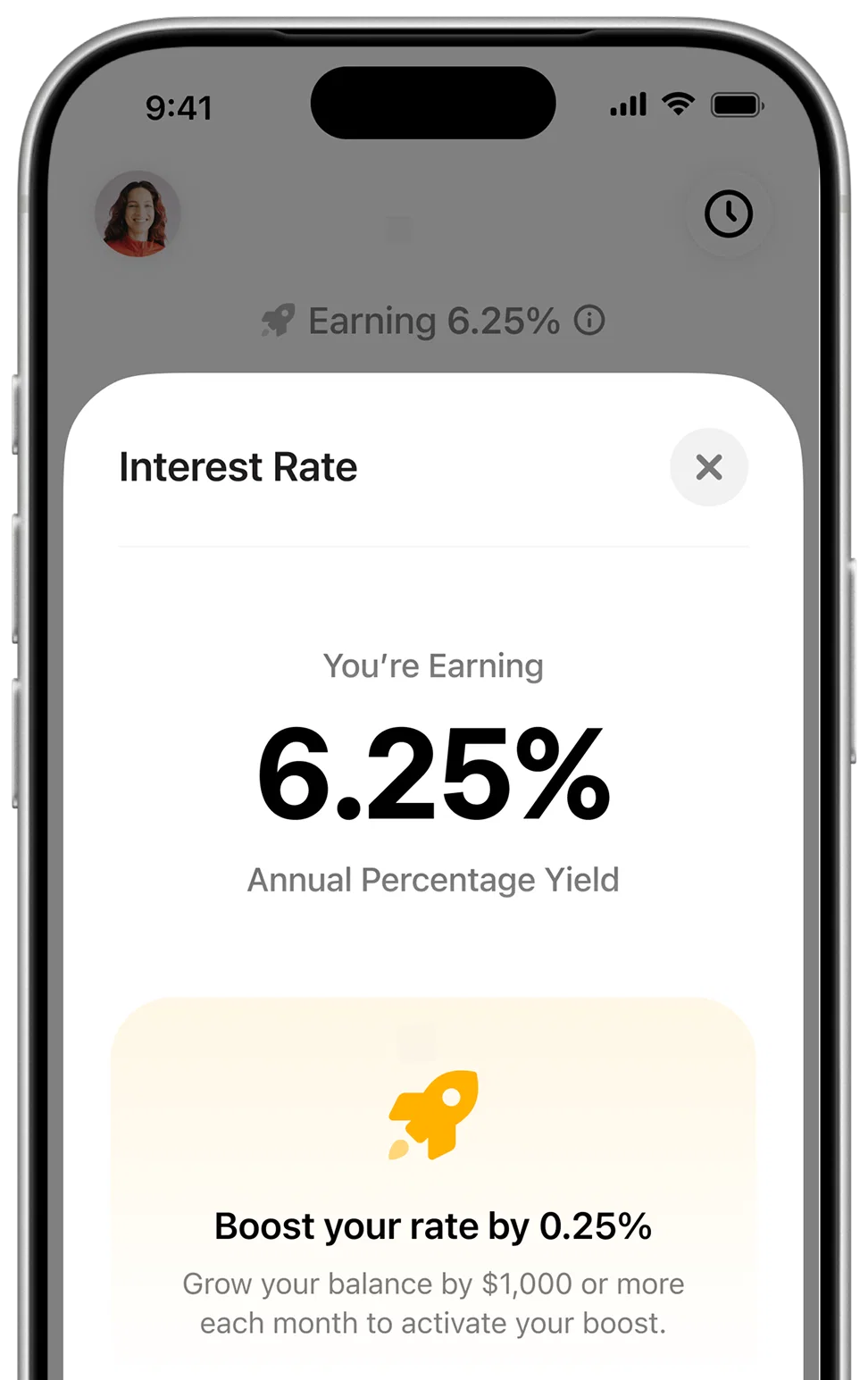
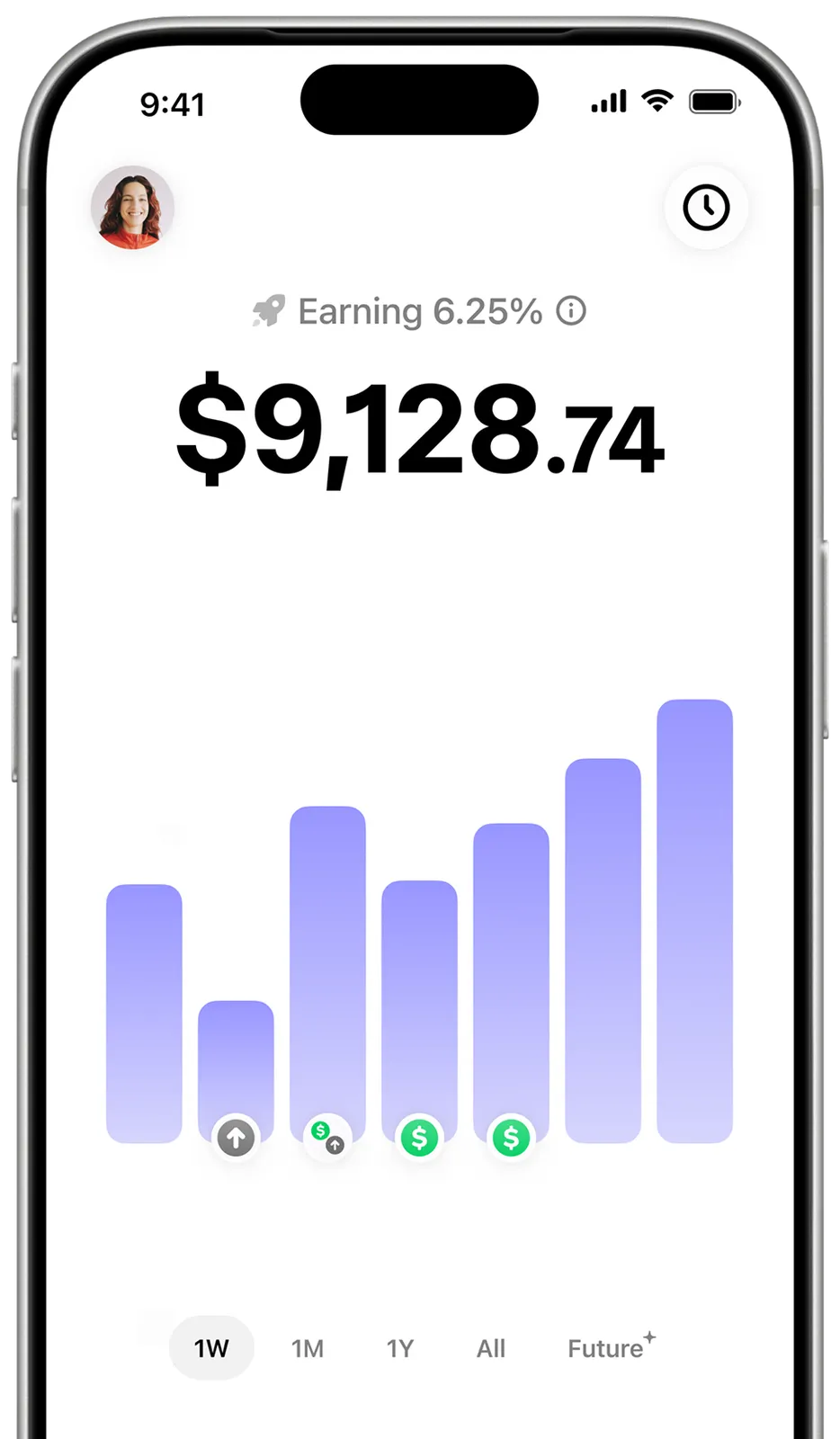
A stablecoin supply position lets a holder deposit USDC, USDT, or GHO and earn a variable rate driven by borrower demand. The tokens enter a shared reserve rather than sitting in the wallet. In V3, the supplier receives aTokens whose balance grows with accrued interest. The position stays denominated in the supplied asset, so a USDC deposit does not become an ETH price position.
A first ERC-20 supply normally involves 2 authorizations: an allowance or permit, then the supply transaction. Network gas funds both when an onchain approval is required; a message signature replaces the approval transaction for supported tokens. Withdrawing burns the position representation and returns available underlying liquidity. If borrowers have used most reserves, a full withdrawal waits for repayment or fresh supply.
Selecting the chain, market, and wallet before depositing
The first deposit decision is the network and market, because every position belongs to one deployment. Ethereum V4 opened with 3 Liquidity Hubs; Avalanche V4 opened with 1 Core Hub serving 3 specialized markets. V3 also operates across networks such as Arbitrum, Base, Optimism, Polygon, and Aptos. Asset lists, caps, collateral settings, and gas tokens differ among them.
Start with assets already held on the chosen chain, then compare the exact market's supply cap, available liquidity, and collateral status. MetaMask, Rabby, Coinbase Wallet, and WalletConnect-compatible wallets provide common connection paths on EVM networks. Petra serves the Aptos deployment. Keep enough ETH, AVAX, APT, or the relevant native token for gas, and read every wallet request before signing.
How pooled liquidity becomes variable yield
Pooled lending combines many suppliers' tokens into reserves that borrowers draw from after posting collateral. V3 keeps each market's pool separate. V4 uses 2 connected layers: Liquidity Hubs hold shared reserves, while Spokes define user actions, accepted collateral, credit lines, and liquidation rules. A Spoke draws within limits enforced by its Hub.
Interest follows utilization, the share of supplied liquidity already borrowed. Both V3 and V4 use a 2-slope utilization curve whose second slope begins after a governance-set optimal point. V4 adds collateral risk premiums to borrower cost; its collateral-risk field runs from 0% to 1,000%. Supplier yield reflects borrower payments, utilization, reserve settings, and any separate incentives. No live annual percentage yield is permanent.
Borrowing against crypto without selling it
Collateralized borrowing releases one supported asset while another remains locked in the protocol. Someone holding WETH or wstETH might borrow USDC or GHO for working liquidity. The market's collateral factor limits the opening amount, and oracle prices keep valuing both sides after the transaction. Borrowed tokens arrive in the connected wallet.
Ordinary variable debt has no fixed maturity date, yet interest starts accruing immediately and increases the debt balance. Repayment releases borrowing capacity; all debt tied to collateral must be cleared before that collateral becomes fully withdrawable. Flash loans form a separate developer mechanism. Principal and premium must return within 1 atomic transaction, or the entire transaction reverts.
What determines rates, gas, and protocol charges
The cost stack contains network gas and, for borrowers, variable interest. Ordinary supply and withdrawal calls carry no protocol percentage fee, although each confirmed transaction consumes the selected network's gas token. Borrow rates respond to utilization and the active slope of the rate curve. V4 also adds a collateral-linked risk premium, so two accounts borrowing the same asset can face different effective costs.
The approved V4 Ethereum flash-loan configuration sets a 5-basis-point premium: 4 basis points for the protocol and 1 for suppliers. Five basis points equals 0.05% of principal, before gas. Supply rates remain market-set because borrowed volume, available reserves, reserve factors, and incentives move independently. A quoted annual rate is a snapshot, not a term deposit promise.
Collateral limits, health factor, and liquidation boundaries
Borrowing limits combine collateral value, asset-specific thresholds, debt, and oracle prices into a health factor. Chainlink Data Feeds supply core price inputs, while governance sets collateral factors and liquidation parameters. A health factor above 1 indicates sufficient weighted collateral. A value below 1 makes the position eligible for liquidation.
V3 permits up to 50% of debt to be liquidated when health factor exceeds 0.95 and both collateral and debt are at least $2,000. The ceiling rises to 100% at 0.95 or lower, or when either side is below $2,000. A partial liquidation must leave at least $1,000 of both collateral and debt; otherwise the position is fully cleared.
V4 replaces that fixed close-factor schedule with repayment toward a governance-set target health factor and a variable bonus. Its hard-coded dust threshold is $1,000 in base units. Smart-contract behavior, oracle dependencies, collateral price gaps, token design, available liquidity, and network operation remain distinct risk sources. Supply and borrow caps bound exposure but also block new activity when filled.
Aave V4, Compound III, and Morpho on structural limits
Aave V4 favors shared Hub liquidity and governance-approved Spokes. Compound III organizes each Comet market around one borrowable base asset, with other supplied assets serving as collateral. Morpho's variable-rate isolated markets use one loan asset, one collateral asset, an oracle, an interest-rate model, and an immutable liquidation loan-to-value threshold.
| Protocol design | Hard limit or threshold |
|---|---|
| Aave V4 shared Hub and Spoke account | Liquidation eligibility starts below health factor 1 |
| Compound III single-base-asset market | Borrow balance cannot exceed capacity set by liquidation collateral factors |
| Morpho variable-rate isolated market | Liquidation starts when LTV reaches or exceeds the market's immutable LLTV |
The deciding dimensions are workflow, dependency, and isolation. Shared liquidity simplifies multi-asset portfolio management but relies on curated parameters. Compound III narrows each borrowing venue to one base asset. Morpho makes market parameters permanent, giving lenders granular choice while splitting liquidity across distinct markets. Sky offers another path when the desired outcome is minting a protocol stablecoin against approved collateral rather than borrowing from a pooled reserve.
AAVE, GHO, and the governance layer
The AAVE token gives holders voting power over listings, caps, risk settings, upgrades, and treasury actions. It is an ERC-20 token with EIP-2612 permit support. The 2020 migration established a 16 million total supply and converted the earlier LEND token at 100 LEND for 1 AAVE. Holding the token is not required for ordinary supplying or borrowing.
GHO is the protocol's overcollateralized stablecoin and targets the US dollar as its reference value. Approved facilitators mint and burn GHO under a governance-set bucket capacity, which acts as a hard issuance ceiling for each facilitator. Borrow interest flows to the DAO. GHO therefore serves a product role, while AAVE carries governance rights.
Governance also follows defined timing. Temp Checks and Aave Requests for Final Comments use 3-day offchain votes. An onchain proposal begins after a 1-day delay. The short path normally has a 3-day vote and 1-day timelock; the long path uses a 10-day vote and 7-day timelock. Delegated AAVE, stkAAVE, and aAAVE voting power participates from Ethereum.
From ETHLend to Aave V4's Hub-and-Spoke design
The protocol's history explains its pool model. ETHLend began in 2017 with peer-to-peer matching. Development during 2018 and 2019 shifted toward shared liquidity under the Aave name. V1 launched in January 2020, followed 11 months later by V2. V3 first deployed on 6 networks in March 2022 and reached Ethereum in January 2023.
V4 activated on Ethereum on March 30, 2026, then expanded to Avalanche. The upgrade shares Hub liquidity across specialized Spokes and prices collateral risk separately from the base borrowing curve. Its prelaunch security program totaled about 345 cumulative review days, involving 4 audit firms, 4 independent researchers, a 6-week public contest, and more than 900 verified participants. V3 markets continue operating alongside V4, so version and market selection remain part of every position.
Aave FAQs
Does an Aave supply position have a fixed maturity date?
An Aave supply position has no fixed maturity date. Interest accrues while the position remains open and the market keeps operating. A holder chooses when to withdraw. The transaction succeeds only when the reserve has enough available underlying liquidity and the wallet can pay network gas. Borrowers likewise have no scheduled maturity for ordinary variable debt, but interest keeps increasing what they owe.
Are AAVE rewards included with every supplied asset?
AAVE incentives are not automatic for every reserve. The base supply return accrues in the supplied asset through the market's accounting. A separate rewards campaign may distribute AAVE, GHO, or another approved token to eligible positions. Campaigns have their own assets, networks, and end conditions, so a displayed incentive should be read separately from the underlying supply rate.
Why do aTokens appear after a V3 deposit?
A V3 deposit creates aTokens as the wallet's onchain record of the supplied claim. An aToken balance grows as interest accrues, while its underlying denomination matches the deposited reserve. Wallet software does not always display these tokens automatically, yet the position remains visible through protocol interfaces and contract data. V4 uses share-based Hub accounting behind its Spokes, so the representation differs by version.
Does changing networks move an existing position?
Changing the selected network in a wallet does not move an existing Aave position. Each position remains in the contracts of its original deployment. Moving capital requires separate cross-chain and protocol actions, such as withdrawing on the source network, transferring assets through a supported route, then supplying on the destination. Debt and collateral must be managed on the original network until explicitly changed there.
Is a hardware wallet required to interact with Aave?
A hardware wallet is optional for interacting with Aave. A compatible software wallet can connect and sign the required messages and transactions. A hardware device adds a separate confirmation surface for keys, yet the protocol workflow remains the same: select the correct network and market, approve the token when needed, review the action, then confirm enough native gas is available.
What happens when a market reaches its supply cap?
A reached supply cap blocks additional deposits of that asset into the affected market. Existing supplied balances continue following the market's accounting, and withdrawals still depend on available liquidity. The cap applies to a specific asset and deployment rather than the token everywhere. Governance or authorized risk stewards may later change the cap within their permitted controls, but a user cannot bypass the active contract limit.